Skip to content
Literature Magazine
  • Home
  • All
  • News
  • Literature
  • Book Reviews
  • Authors
  • About
Search
Literature Magazine
  • Home
  • All
  • News
  • Literature
  • Book Reviews
  • Authors
  • About
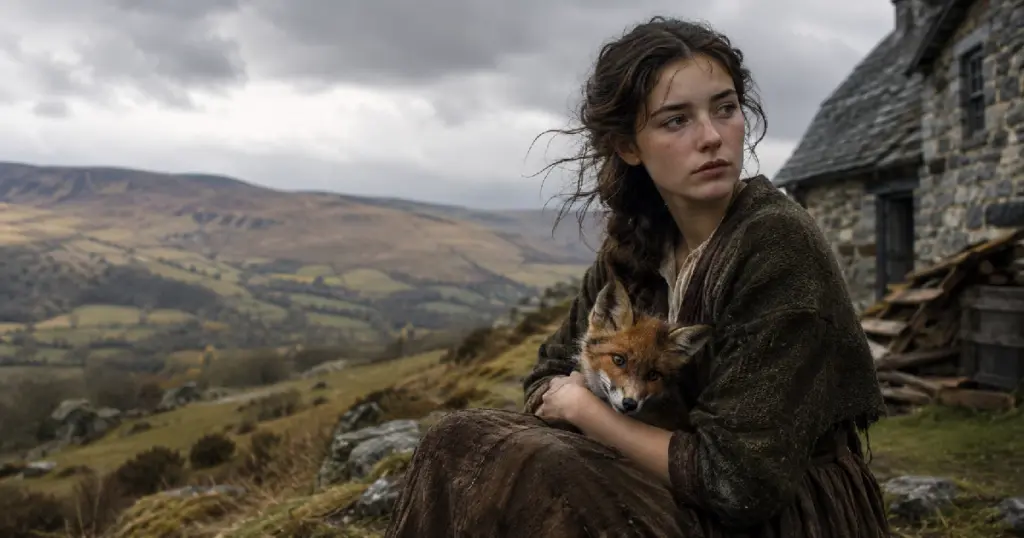
Gone to Earth Author Mary Webb: The Forgotten British Genius Who Wrote Like Hardy and Brontë Combined
Book Reviews, All, Literature

Gone to Earth Author Mary Webb: The Forgotten British Genius Who Wrote Like Hardy and Brontë Combined

By Alyssa / June 5, 2026

One of those authors who holds a peculiar place in literary history is Mary Webb, who is hardly known to […]
The Secret Art of Writing a Perfect Ending
Literature, All

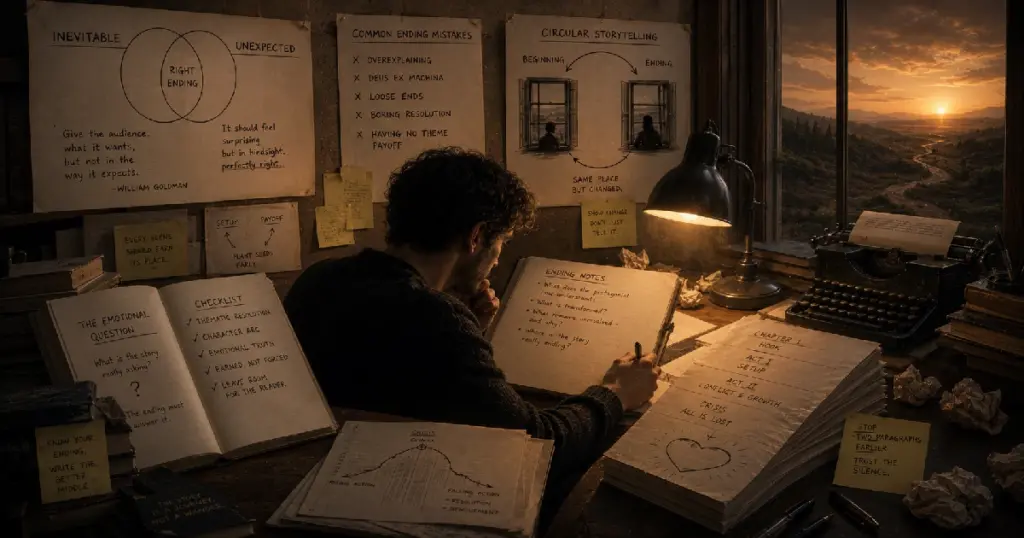
The Secret Art of Writing a Perfect Ending

By Alyssa / June 4, 2026

If you ask any writer where the real work is done, most will tell you that it’s in the middle,
Why Readers Crave Bleak Fiction During Difficult Times
Literature, All

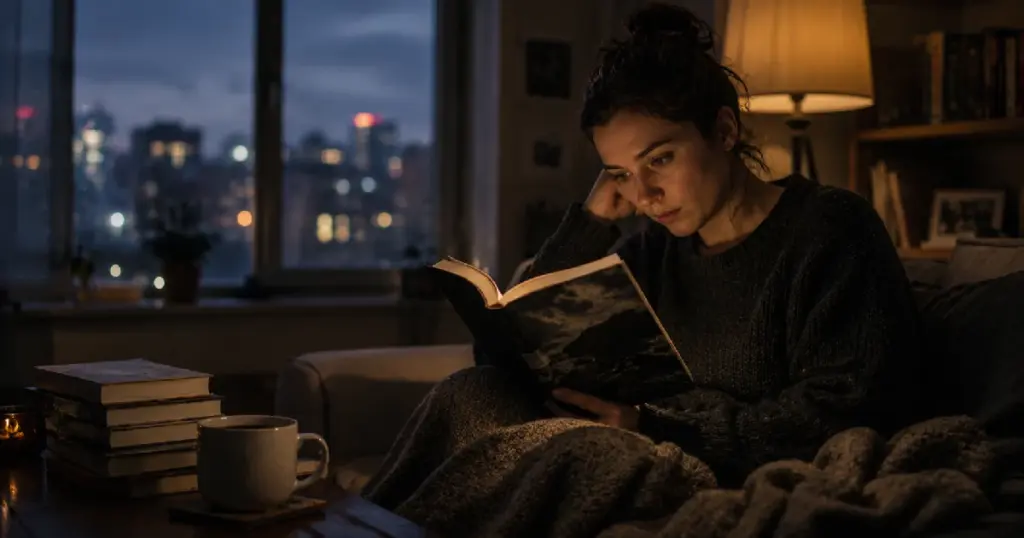
Why Readers Crave Bleak Fiction During Difficult Times

By Chloe / June 4, 2026

Book sales in some categories experienced an unexpected development during the early weeks of the COVID-19 pandemic, when the majority
The Girl Interrupted Book That Changed How a Generation Talked About Mental Illness
Book Reviews, All, Literature

The Girl Interrupted Book That Changed How a Generation Talked About Mental Illness

By Chloe / June 4, 2026

Some books come to you instead of the other way around. Susanna Kaysen’s Girl, Interrupted, a thin, 156-page memoir that
The Most Atmospheric Books Ever Written
Literature, All

The Most Atmospheric Books Ever Written

By Alyssa / June 3, 2026

There is a particular type of novel where the setting takes on an unusual role, ceasing to serve as the
Why Some Books Become More Powerful With Age - And Others Just Become Outdated
Literature, All

Why Some Books Become More Powerful With Age – And Others Just Become Outdated

By Chloe / June 3, 2026

Returning to a book read decades ago and finding it nearly unrecognizable—not because the words have changed, but because the
Inside The Book of Azrael - The Indie Romantasy That Rewrote the Rules of Epic Fantasy
Book Reviews, All, Literature

Inside The Book of Azrael – The Indie Romantasy That Rewrote the Rules of Epic Fantasy

By Chloe / June 3, 2026

The Book of Azrael frequently comes up when fantasy romance readers discuss the novels that truly shocked them, the ones
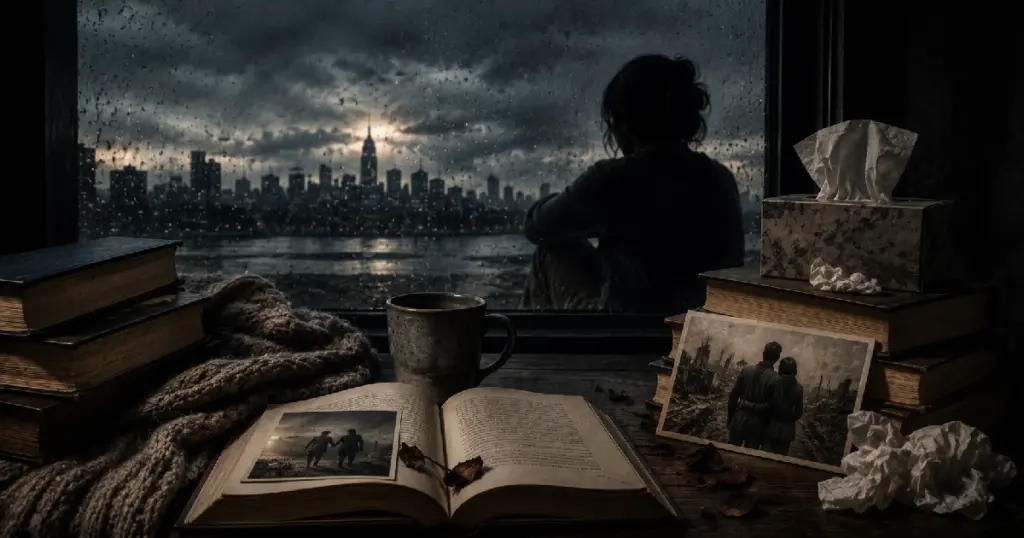
Readers describe a certain type of book based on what it did to them rather than what it is about. The plot is not mentioned. I was unable to read for a week afterward, they say. On the subway, I sobbed. When I was done, I had to give someone a call. This is how the most emotionally devastating novels function; rather than evoking sadness, they evoke the particular feeling of having truly experienced something, and the fallout is similar to grief. This is neither a coincidence nor a design flaw. For reasons that are hard to sum up without undervaluing what the book does, Hanya Yanagihara's A Little Life is at the top of almost every list that tries to catalog this territory. It spans more than seven hundred pages and follows four men from their New York college friendship through decades of adulthood, but at its core, it tells the tale of one of them, Jude, a lawyer whose past is gradually and purposefully revealed in bits and pieces that consistently turn out to be worse than anticipated. The reader is not shielded by Yanagihara. Despite the prolonged, graphic, and occasionally intolerable suffering in this book, readers continue to read it, suggest it to others, and give it to trusted individuals. Hundreds of social media threads exist where people describe where they were after finishing it, what they did next, and how long it took to feel normal again. The experience of being emotionally destroyed by fiction in a way that still feels, in some way, necessary has made the book something of a cultural touchstone. The Road by Cormac McCarthy accomplishes destruction by stripping away rather than accumulating. Pushing a shopping cart through silence and ash, a father and son travel through a burned America in search of a future that might not exist and a coast they might never reach. McCarthy's prose is renowned for being remarkably spare and nearly punctuation-free, which produces an effect that is both exquisite and profoundly unsettling: the world is reduced to its most basic components, love and survival, with everything else being destroyed. The intensity of the father's feelings for his son, conveyed in nearly no words, carries a weight that is seldom attained by more complex emotional writing. Readers have consistently described a scene near the end of the book as one of the most devastating things they have ever read, regardless of the time period, language, or culture. Even if you know it's coming, you can't get ready for it. Never Let Me Go by Kazuo Ishiguro is more subdued than both of these, almost to the point of deception. It opens with three students negotiating the typical conflicts of puberty in a tone reminiscent of a boarding school novel set in England. The nature of their predicament then starts to become apparent, but it does so gradually and reluctantly. It is precisely this restraint that makes the book so eerie. The narrator, Kathy, uses the same calm voice that she employs to describe half-forgotten arguments and childhood memories to describe an unthinkable situation. The emotional energy of the book resides in the space between the horror of what she accepts and the silence with which she accepts it. Reading the last few pages gives you the impression that you saw something that ought to have sparked indignation but instead only caused deep, heavy sadness. Khaled Hosseini is in a completely different register. A Thousand Splendid Suns follows two Afghan women, Mariam and Laila, through decades of war, occupation, and domestic abuse in Kabul. What makes the story so poignant is the unique human scale of their suffering. This is neither speculative nor dystopian. It travels through a recent period of history. The atrocities it depicts took place. Instead of using the formal distance that Ishiguro or McCarthy do, Hosseini writes suffering directly. The result is a novel that evokes the kind of grief typically associated with actual events rather than fiction. One of the most genuinely poignant relationships in modern fiction is the friendship that grows between the two women, which is based more on shared endurance than affection. Despite their radically different approaches, all of these novels have one thing in common: they refuse to turn away. They do not become softer. They don't give false comfort. However, readers describe finishing them with something more akin to gratitude—for the experience of feeling something so fully, for the fleeting expansion of empathy that devastating fiction uniquely produces—rather than feeling punished. When describing this genre of books, the Booker Prize literary critic put it simply: they break your heart and then mend it. Not easily, and not at the same time. However, the healing is genuine. It's difficult to ignore the fact that readers who look for these novels frequently do so because of them rather than in spite of what they do to them.
Literature, All

The Most Emotionally Devastating Novels Ever Written

By Alyssa / June 2, 2026

Readers describe a certain type of book based on what it did to them rather than what it is about.
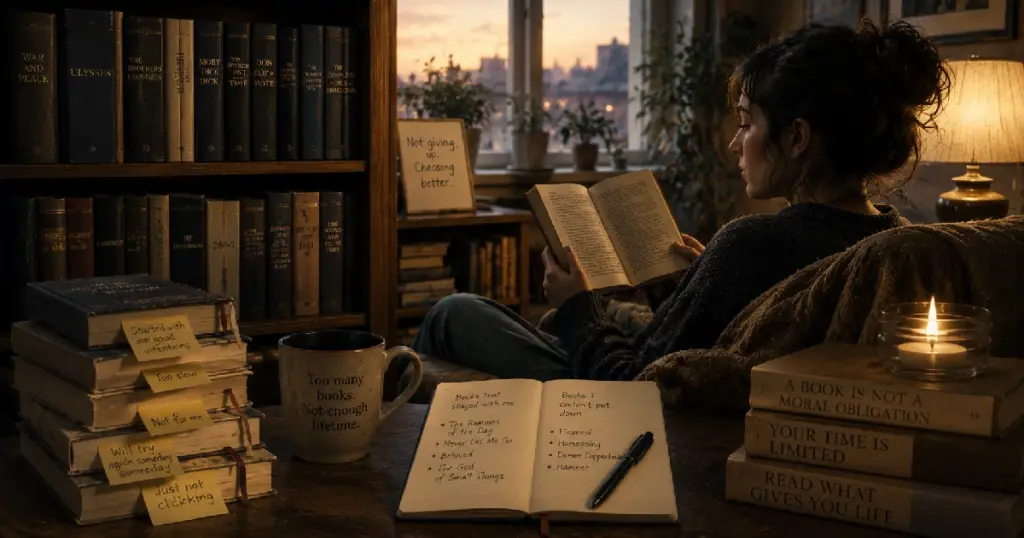
Why Great Readers Secretly Abandon Most "Important" Books - And Feel No Guilt About It
Literature, All

Why Great Readers Secretly Abandon Most “Important” Books – And Feel No Guilt About It

By Chloe / June 2, 2026

Nearly every serious reader’s apartment has a collection of books on the shelves that have an unmistakable quality: the books

← Previous 1 … 8 9 10 … 12 Next →

Disclaimer

Nothing published on VCLib - including book reviews, literary criticism, author profiles, cultural analysis, editorial opinion, policy discussion, or any other material - constitutes professional literary counsel, legal guidance, or expert recommendation of any kind. All content on this website is provided strictly for informational, educational, and cultural commentary purposes only. Consult a professional before acting on any information presented here.

  • Terms of Service
  • Privacy Policy
  • About
  • Contact us

Copyright © 2026 Literature Magazine